High Kick in Martial Arts: Strike Technique
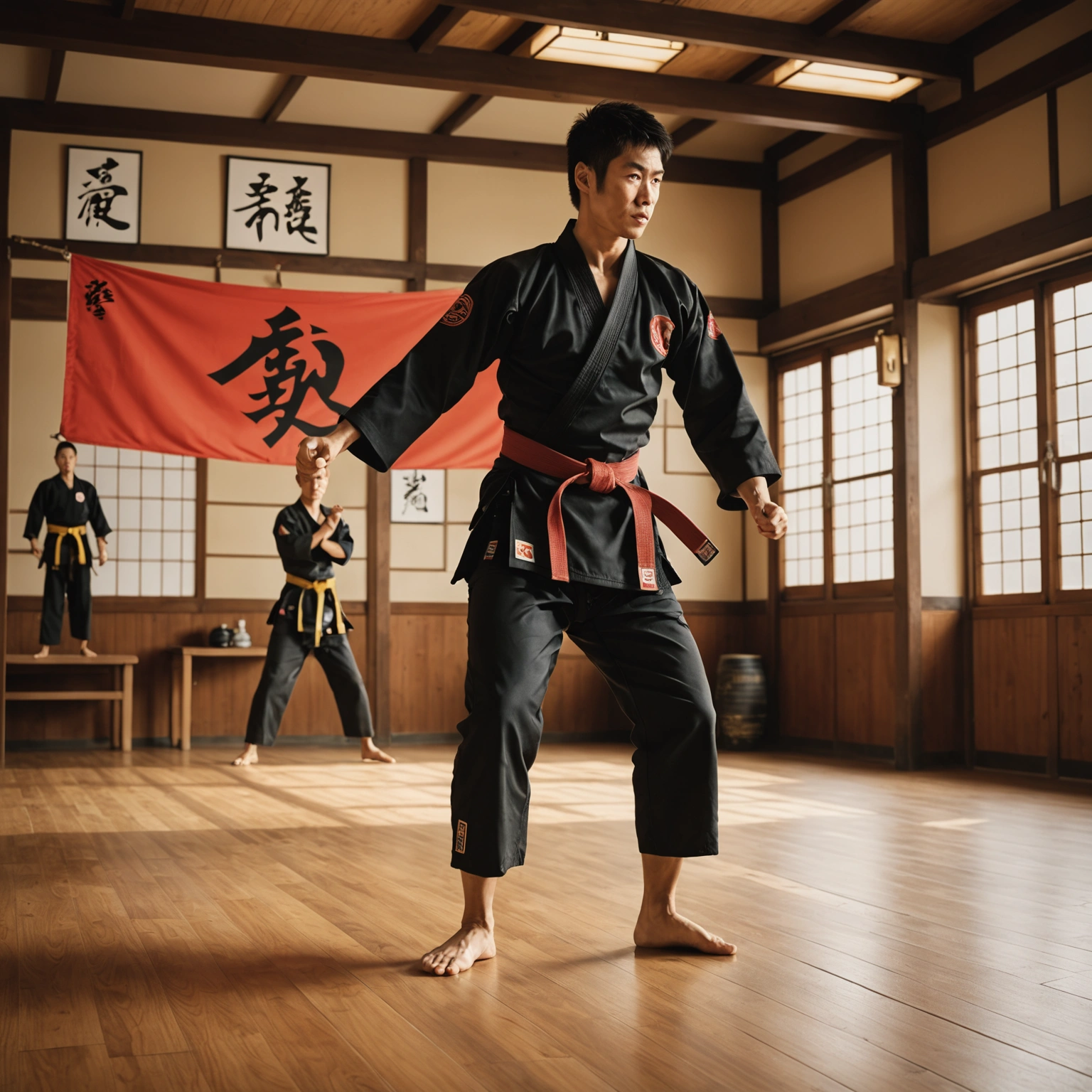
Have you ever watched a martial arts match and found yourself captivated by that lightning-fast leg swing that seems to defy gravity? That’s the high kick—an iconic strike technique that blends power, precision, and agility in a way few other moves can match. Yet, beneath its seemingly effortless execution lies a complex skill set that takes years to master. Whether you’re a novice stepping into the dojo or a seasoned fighter refining your arsenal, understanding the high kick is crucial to elevating your martial arts game.
Why Mastering the High Kick Feels Like an Uphill Battle
Let’s be honest: the high kick isn’t just about flinging your leg upward and hoping for the best. Many practitioners struggle with balance, flexibility, and timing, often ending up off-center or missing their target entirely. This can be frustrating when you know the move’s potential to end a fight decisively. To add to the challenge, the high kick—sometimes spelled “haikik” or “hai kik” in various martial arts circles—demands a nuanced understanding of body mechanics, stance, and momentum. Failing to grasp these elements can leave you vulnerable to counterattacks, or worse, injury.
Imagine trying to pull off a high kick in the middle of a fast-paced sparring session. You might have trained for hours, but without the right technique, your kick could either fall short or telegraph your intentions to your opponent. It’s like having a powerful tool but not knowing how to use it efficiently. This is precisely why many martial artists find themselves stuck in a plateau, unable to transition from basic kicks to the dynamic, fight-ending strikes they aspire to perform.
But here’s an intriguing twist: just as social media influencers harness specific strategies to boost their reach, martial artists can adopt targeted training methods to unlock the high kick’s full potential. And if you’re curious about how digital trends and martial arts training unexpectedly intersect, you might find it interesting to explore resources like comprar conta tiktok monetizada. Although primarily aimed at social media success, the underlying principle of strategic preparation before execution parallels perfectly with mastering complex techniques like the high kick.
The Art and Science Behind the High Kick Technique
So, what exactly goes into delivering a flawless high kick? First off, there’s the stance—the foundation upon which all effective strikes are built. Your supporting leg must be firmly grounded, providing balance and a pivot point. Next, the kicking leg sweeps upward with a snapping motion, targeting the opponent’s head or upper body. This motion requires excellent hip flexibility, core strength, and impeccable timing.
One common misconception is that the speed of the kick alone determines its success. In reality, it’s the fluid combination of speed, accuracy, and power that creates a truly devastating high kick. Even the slightest misalignment can reduce force or leave you open to counterattacks. This is why training routines often incorporate dynamic stretching, balance drills, and shadow kicking to build muscle memory and improve coordination.
Key Elements to Focus On:
- Flexibility: Without sufficient hip and hamstring flexibility, the high kick loses range and effectiveness.
- Balance: A strong core and stable supporting leg keep you grounded during the kick.
- Timing: Striking at the right moment can mean the difference between a clean hit and a missed opportunity.
- Follow-through: Proper recovery after the kick ensures readiness for the next move or defense.
As you dive deeper into the mechanics of the high kick, it becomes clear why some martial artists can deliver these strikes with such breathtaking elegance while others falter. It’s not just about raw athleticism; it’s an intricate dance of technique, mental focus, and tactical awareness.
Unlocking Your Potential: From Struggle to Success with the High Kick
Now, if you’ve ever felt that your high kick attempts are more “haikik” or “hai kik” than the smooth, powerful strike you envision, rest assured you’re not alone. Many fighters hit a wall where progress seems slow despite consistent practice. Recognizing this phase is essential—it signals that a shift in training approach is needed.
Incorporating drills that emphasize flexibility and balance, combined with slow-motion practice to refine technique, can dramatically improve your high kick effectiveness. Additionally, watching skilled practitioners and analyzing their form helps build a mental blueprint for your own strikes. Remember, even the most famous martial artists didn’t master the high kick overnight.
Whether you’re training for competition, self-defense, or simply to challenge your physical limits, mastering the high kick can open new doors in your martial arts journey. By embracing a holistic approach—balancing physical conditioning, technical mastery, and mental focus—you’ll find the high kick evolving from a tricky move into a signature strike.
So, ready to take your kicks to eye level and beyond? Stick around as this article dives into the finer points of the high kick, explores common mistakes to avoid, and shares expert tips to help you strike with confidence and style.
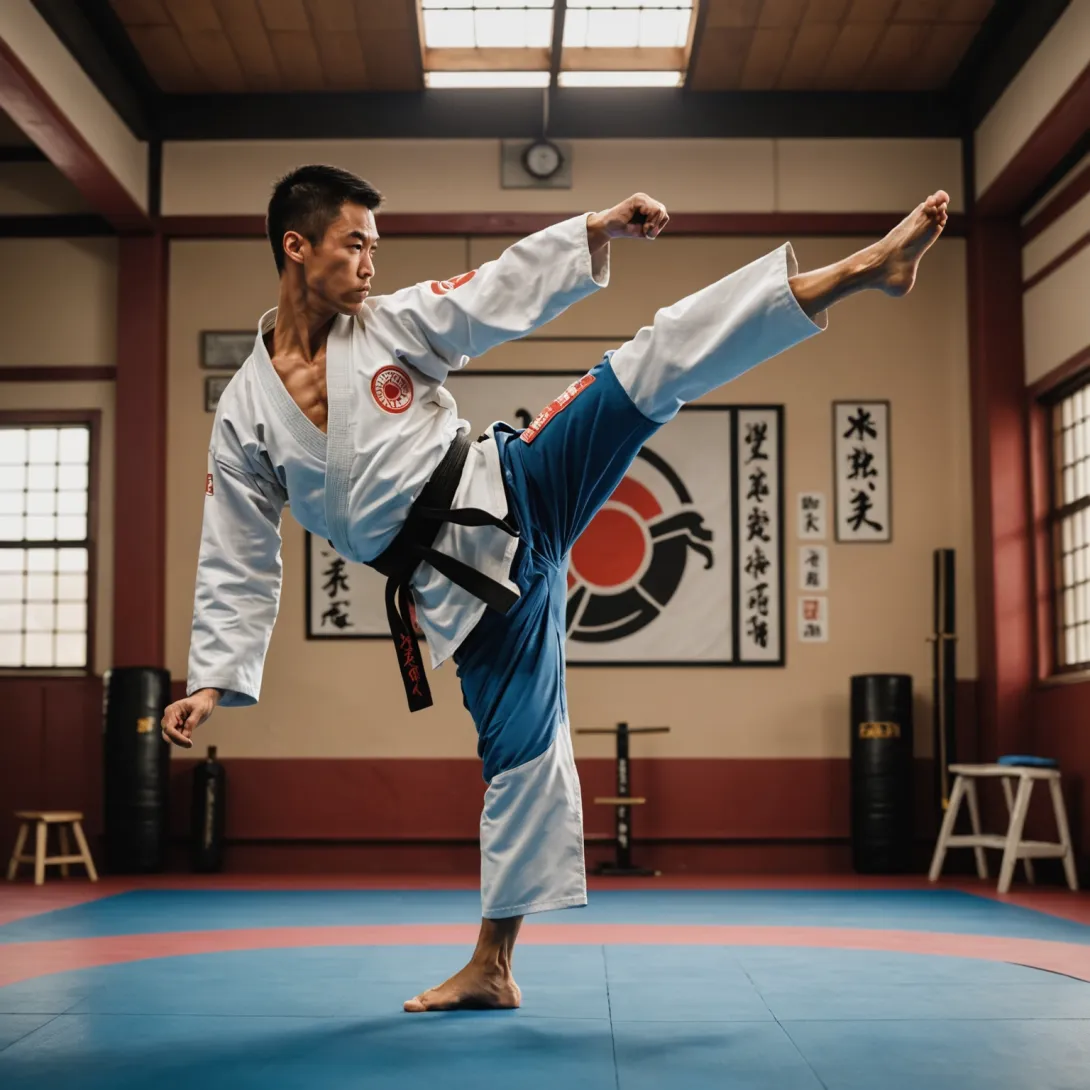
High Kick in Martial Arts: Strike Technique Explained
The high kick is a fundamental and visually impressive strike technique used across various martial arts disciplines. Often referred to by practitioners with different spellings such as haikik or hai kik, this technique involves delivering a powerful kick aimed at an opponent’s upper body or head. Understanding the mechanics, applications, and training methods for the high kick can greatly improve both offensive and defensive martial arts skills.
What Is a High Kick and Why Is It Important?
A high kick is a strike where the martial artist raises their leg above waist or head height to hit an opponent, typically targeting the face, neck, or head. It is a versatile technique prominent in styles like Taekwondo, Karate, Muay Thai, and Kung Fu.
High kicks are crucial because:
- Reach Advantage: They allow fighters to strike from a distance, keeping opponents at bay.
- Powerful Impact: When executed properly, high kicks generate significant force through hip rotation and leg speed.
- Scoring Potential: In competitive martial arts, head kicks often score higher points due to difficulty and risk.
- Psychological Effect: A well-timed high kick can intimidate or surprise an opponent, shifting momentum.
How to Execute a High Kick Properly (Haikik/Hai Kik Technique)
Mastering the haikik or hai kik requires the integration of flexibility, balance, speed, and technique. Here is a step-by-step guide to performing a high kick effectively:
- Start in a Balanced Stance: Position your feet shoulder-width apart with knees slightly bent to maintain stability.
- Chamber Your Leg: Lift your kicking leg by bending the knee and bringing the thigh close to your chest, preparing to extend.
- Rotate Your Hips: Pivot your supporting foot outward and rotate your hips towards the target to maximize reach and power.
- Extend the Leg Swiftly: Snap your leg upward, striking with the ball of the foot or the shin, depending on your style.
- Maintain Guard: Keep your hands up to protect your head and maintain balance during execution.
- Retract and Reset: Quickly bring your leg back to the starting stance to avoid counterattacks.
Practicing flexibility through dynamic stretching and strength training is essential since high kicks demand a wide range of motion and muscular control.
Common Variations of High Kicks in Martial Arts
The haikik or hai kik manifests in many forms, each suited to different combat scenarios:
- Front High Kick: A straight kick aimed directly at the opponent’s face or chest.
- Roundhouse High Kick: Delivered with a circular motion, striking the side of the head with the shin or foot.
- Side High Kick: Executed by lifting the leg sideways, targeting the opponent’s head or torso.
- Spinning High Kick: Incorporates a spin for added momentum and surprise, increasing impact force.
How Do Martial Artists Train to Perfect the High Kick?
Training for an effective high kick involves more than just repetition. Elite martial artists focus on:
- Flexibility Exercises: Splits, leg swings, and hip-opening stretches.
- Strength Conditioning: Targeted workouts for hip flexors, quadriceps, core, and glutes.
- Balance Drills: Single-leg stands, stability ball exercises, and slow-motion kicks.
- Technique Refinement: Shadow kicking, heavy bag practice, and partner drills emphasizing precision and speed.
For example, Taekwondo practitioners often dedicate hours to perfecting high kicks due to the style’s emphasis on fast, high strikes. Studies have shown that athletes who combine flexibility training with strength conditioning experience greater kick height and speed, reducing injury risk.
What Are the Risks and How to Avoid Injuries?
High kicks, including the haikik or hai kik, carry injury risks if not performed correctly or without proper preparation:
- Muscle Strains: Inadequate stretching can lead to pulled hamstrings or groin muscles.
- Joint Stress: Hyperextension or improper alignment can damage knees or hips.
- Balance Loss: Leading to falls or exposure to counterattacks.
To minimize these risks, martial artists should incorporate comprehensive warm-ups, progress gradually in height and speed, and seek instruction from qualified coaches for proper form.
Real-Life Impact: High Kick Effectiveness in Competition and Self-Defense
High kicks have been demonstrated to be both effective and strategic in martial arts competitions and real-world self-defense. For instance, in Olympic Taekwondo, high kicks to the head score three times the points of body kicks, making them game-changers in matches.
In mixed martial arts (MMA) bouts, fighters like Stephen “Wonderboy” Thompson have utilized high kicks to the head to deliver knockouts, showcasing how well-trained haikik techniques can decisively end fights.
In self-defense scenarios, while high kicks can be powerful, their execution requires caution due to the risk of losing balance or leaving oneself open. Thus, practitioners are advised to use them judiciously and ensure their foundational skills are sound.
Summary: Mastering the Haikik/Hai Kik for Martial Arts Excellence
The high kick (haikik or hai kik) remains one of the most dynamic and impactful strike techniques in martial arts. Its effectiveness depends on proper technique, flexibility, balance, and strategic application. Whether you’re a beginner or an advanced martial artist, understanding the biomechanics and training methods behind the high kick will elevate your striking arsenal.
Consistent practice, injury prevention, and learning from experienced instructors will ensure you harness the full potential of this powerful strike.


